Written for the Davis Enterprise, March 24, 2011
Click on any image for a larger version
We get questions.
I have never planted a living thing before. I have a patio and I want to plant some edible things.
Which fruit trees do you have to spray for bugs?There are lots of new gardeners these days planting fruit trees and vegetables. Many express concern about the amount of time or expertise they'll need. Bottom line: many of you want to grow food without fuss.
My definition of easy: a plant that gives good food without any special fuss! No routine spraying needed. Simple pruning, if at all. Tolerant of a range of soil and water conditions. Here are a dozen or so easy edibles.
1. Strawberries
Garden strawberry (Fragaria chiloensis)Easy? They flower within weeks of planting and set fruit right away.
Grow strawberries in half or full-day sun, in soil that you've added compost to, and where you can water them frequently. Plant Sequoia for best flavor, day-neutral varieties to extend the season.
Hint: Protect the fruit! Spread coarse bark around the plants just as they begin to flower. They'll set their fruit above the ground, away from sowbugs and slugs. Plants live 2 - 3 years.
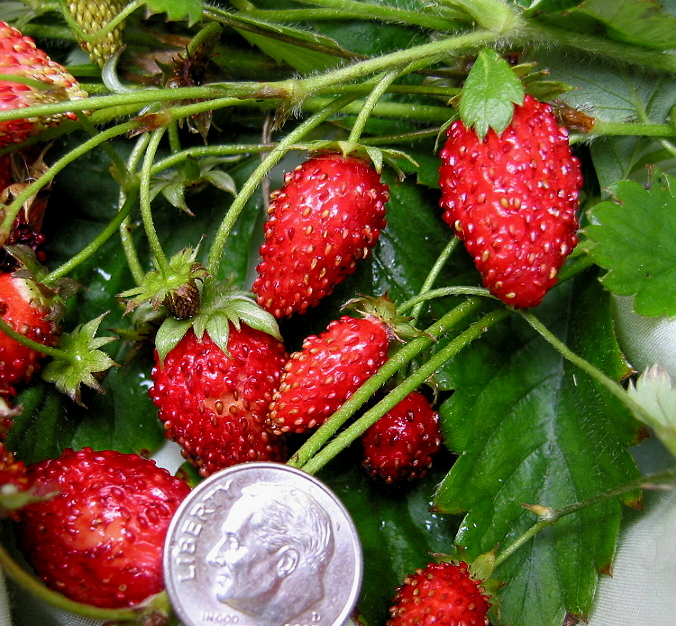
Alpine strawberry (Fragaria vesca) is very different. The plants do not produce runners; great for the herb garden or even in pots. Produce small very sweet berries throughout the summer.
Prefer some shade. Plants live many years.
2. Some easy Citrus
Kumquat (Fortunella species)The hardiest citrus. Full sun or light shade. Not fussy about soil, but like regular feeding.
Peel is sweet, flesh is tart. Ripen year-around. Fragrant flowers in summer.
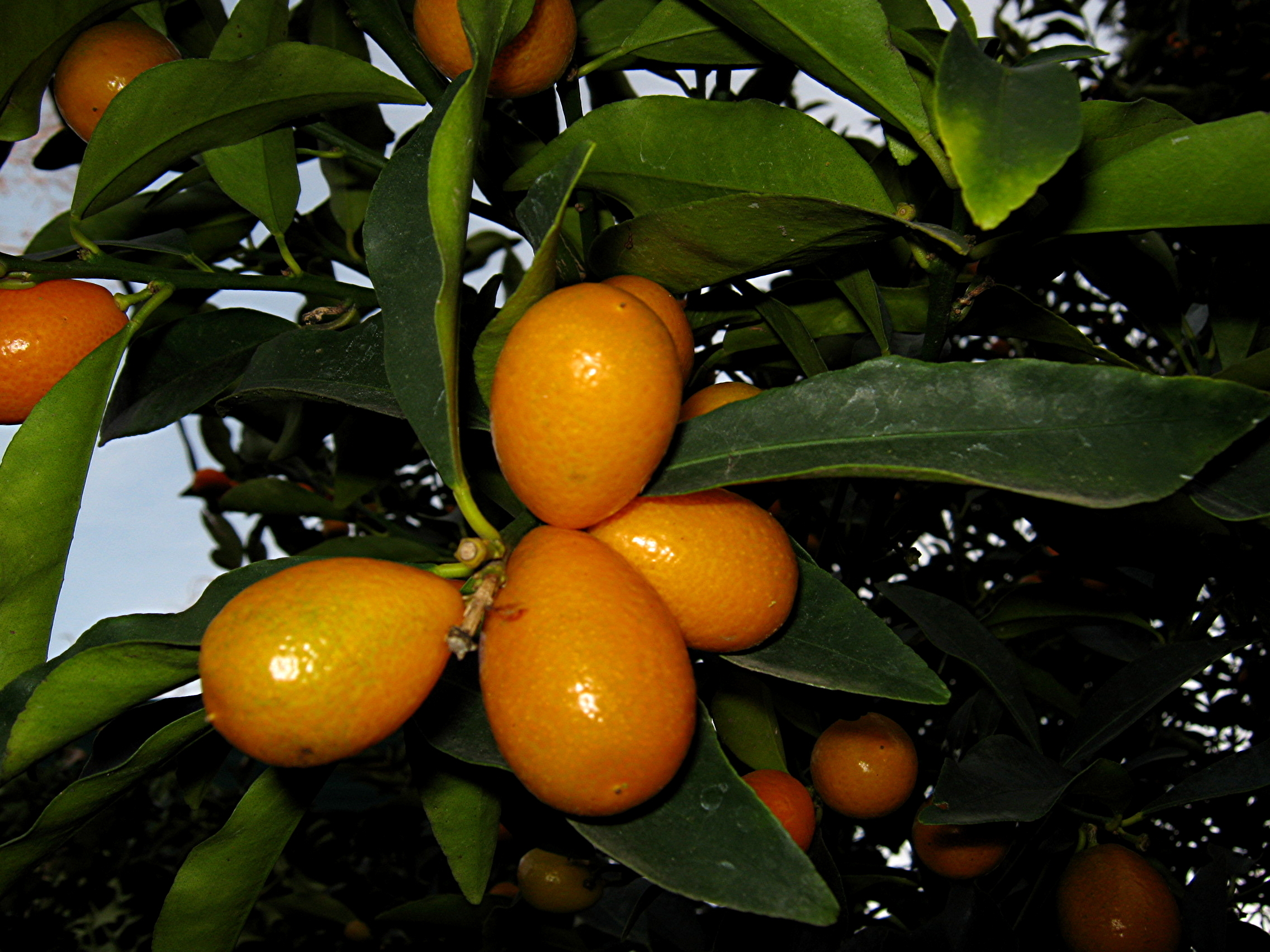
Nagami has bright orange fruit shaped like an olive. Very ornamental; best-known type. Meiwa has sweet, round fruit.
Hybrid kumquats gain some cold-hardiness from the kumquat parentage. Calamondin is a prolific producer of round, tart fruit that are used in drinks and as garnish. Limequat is hardier than lime, but has similar flavor.
Lemons (Citrus x limon) Full sun or light shade. Somewhat frost tender, especially when young.
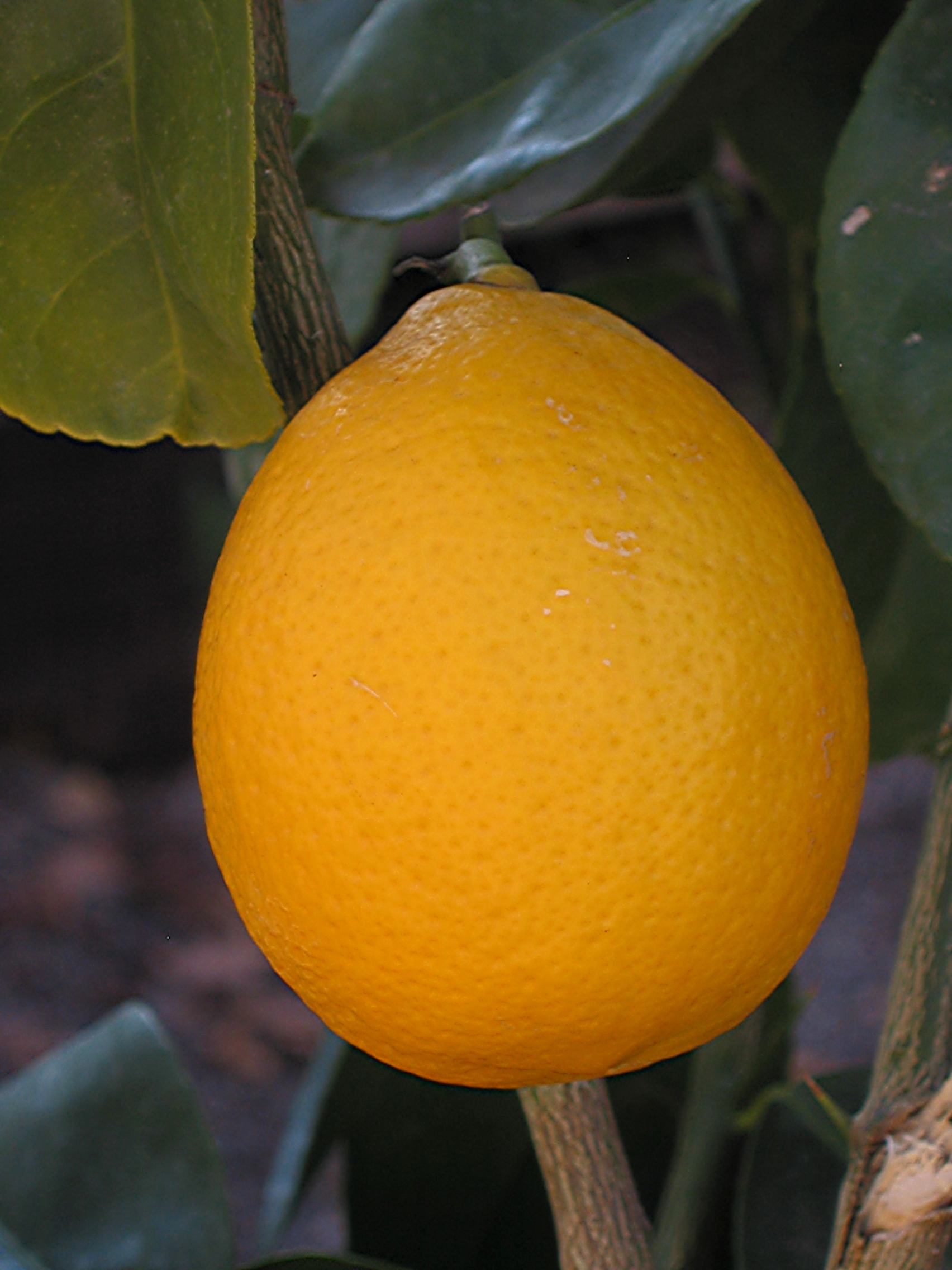
Meyer Lemon is said to be a cross between a lemon and a mandarin. Compact plant to about six feet, easily kept lower. Can flower, set, and ripen fruit year-around.
True lemons (Lisbon and Eureka varieties) grow much larger and have thorns.
Mandarins (Citrus unshiu) Full sun for best flavor. More cold-hardy than other citrus.
Owari Satsuma is the hardiest, best-known mandarin, ripening November - January. Other varieties extend the harvest season through spring. See our
article on mandarins from December 2010.
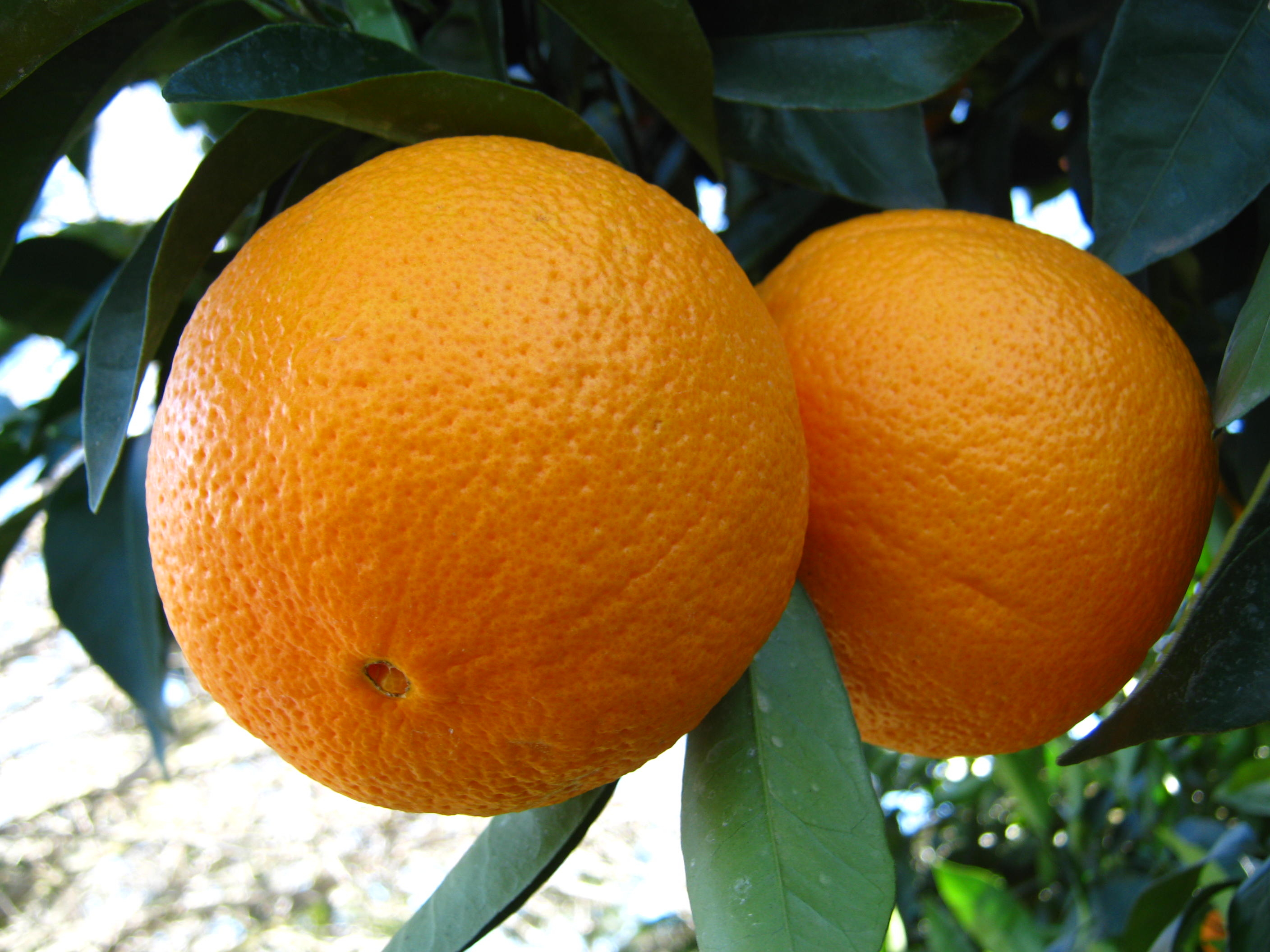
Oranges (Citrus sinensis)Full sun for best flavor. Young plants may need frost protection; established trees survive cold weather.
Navel and blood oranges ripen in winter. Other varieties ripen in spring. Valencia oranges, used mostly for juice, ripen in spring and summer.
3. Mediterranean and Asian fruits
Figs (Ficus carica) Tolerant of nearly any soil. Can live without any summer watering; very heat tolerant. Produce a small crop in spring and a large crop over several weeks in late summer and fall. The sheer quantity of fruit can be a problem.
Black Mission and Brown Turkey are the common backyard varieties. Gourmet figs also do well: white (Conadria, Kadota), striped ones (Panache), and more. Slow-growing variety called Blackjack can be kept under 10 feet.
MulberriesEasy? Indestructible.
Morus alba is the white mulberry. The fruitless male is used as a huge shade tree. Teas Weeping is a fruiting type easily kept below 10 feet tall; cute garden accent or playhouse for young kids, with mild, sweet fruit that stains everything. Reseeds.
Morus nigra is the black mulberry, including Russian, Persian, and Pakistani varieties. Slow-growing small trees to fifteen feet, easily kept lower. Large, soft, juicy, intensely sweet-tart fruit resemble giant blackberries. Birds love them. Fruit stains fingers, sidewalks, and clothing. Does not reseed.
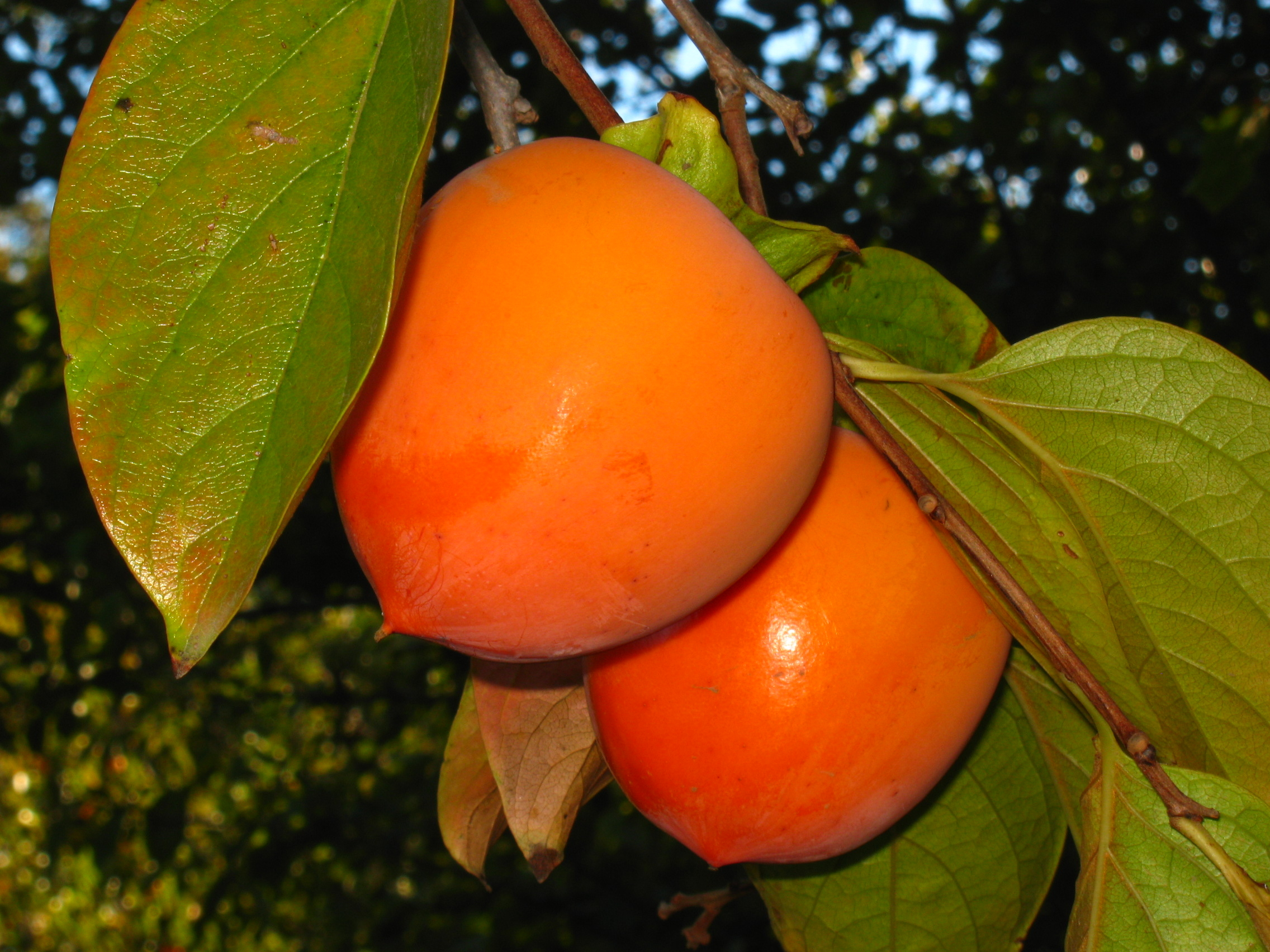
Persimmons (Diospyros kaki)Tolerate drought or garden watering. Beautiful chartreuse foliage in spring; showy fruit in winter. Grow at moderate rate to thirty feet by twenty feet, but can be pruned for size. Produce dozens to hundreds of fruit. The trees drop fruit steadily all season, including lots of unripe fruit as the tree thins itself. Birds will enjoy what you don't harvest.
Fuyu is the flat-bottomed variety you eat while it is still firm. Hachiya has elongated shape and is puckery-astringent until squishy-soft.
Pomegranates (Punica granatum)Probably the most heat and drought tolerant fruit species. Showy red flowers in late spring; nice yellow fall color, then bright red fruit in fall and winter. Attractive large shrub can be trained as a small tree.
Look for Wonderful, Granada (earlier-ripening), Angel Red (more juice. A number of other varieties are becoming available.
4. Plums
Many stone fruits need careful pruning and spraying. Plums are nearly foolproof. Take partial shade or full sun, average watering.
Japanese plums (Prunus salicina)Tangy-sweet flavor. These listed are self-fruitful, meaning you only need one tree. Good thing: they're very productive. Santa Rosa produces prodigious quantities of fruit (hundreds) that ripen all at once. Emerald Beaut, Howard Miracle, and Nubiana have fruit that hangs on the tree for a couple to several weeks, remaining firm and of good quality.
European plums (Prunus domestica)Maybe if we stopped calling these "prune plums" more people would grow them. The fruit, fresh off the tree, is firm and very sweet.
5. Guava-like fruit
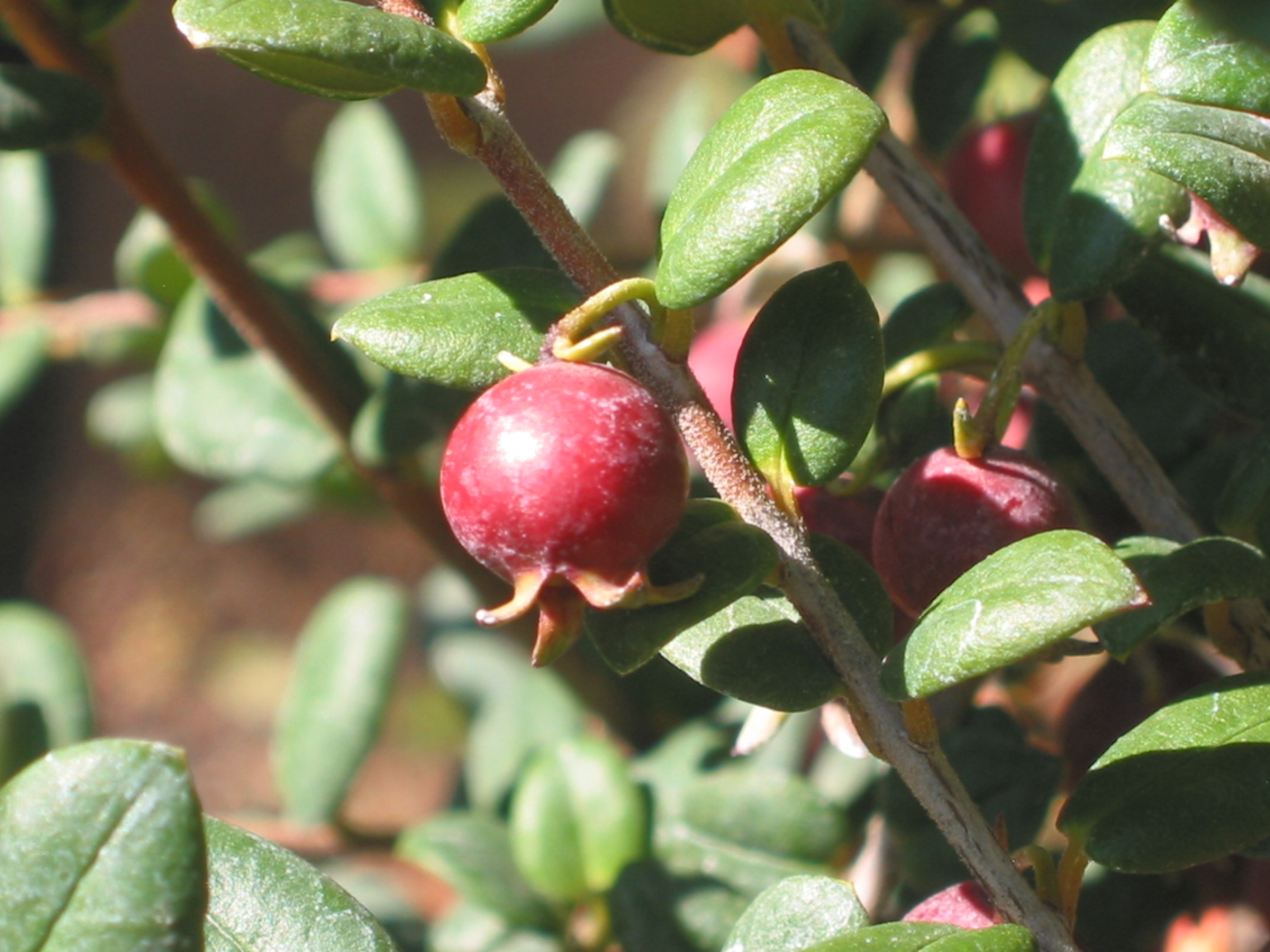
Chilean guava
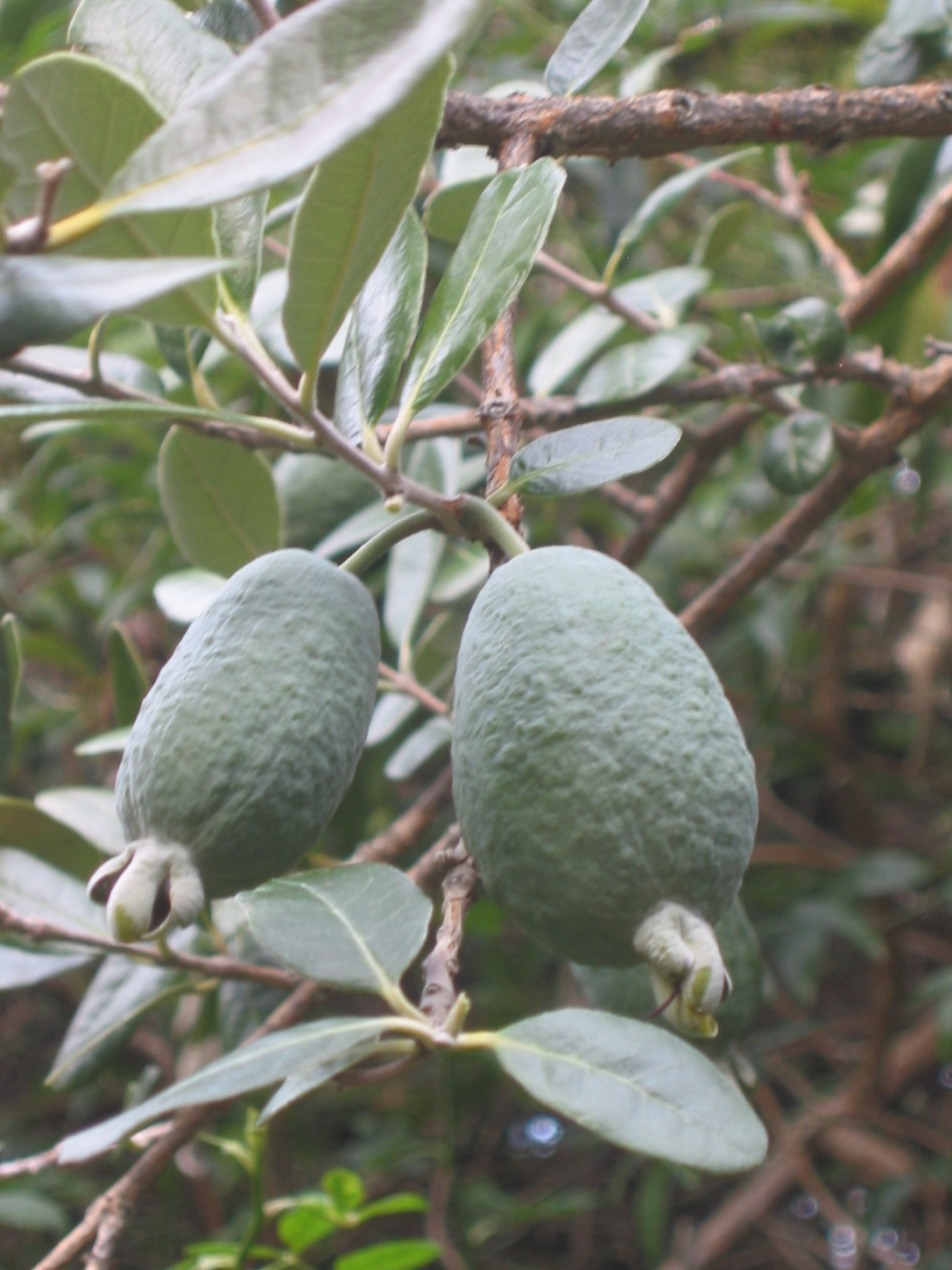
(Ugni molinae) and Pineapple guava (
Feijoa sellowiana, now
Acca sellowiana) are hardy ornamental shrubs with edible fruit (and edible flowers in the case of Feijoa).
Tolerant of sun or light shade, and drought.
6. Some easy vegetables
Anyone gardening with kids should plant radishes and sunflowers; quick to sprout, easy to grow. Full sun.
Gypsy pepper is the most productive sweet pepper I grow. Each plant produces at least a dozen pale yellow-green fruit which ripen red very quickly.
Small-fruited tomatoes are reliable, heavy producers. Choose Juliet hybrid, Sungold hybrid, or two popular heirlooms: Currant, and Yellow Pear.
Finally,
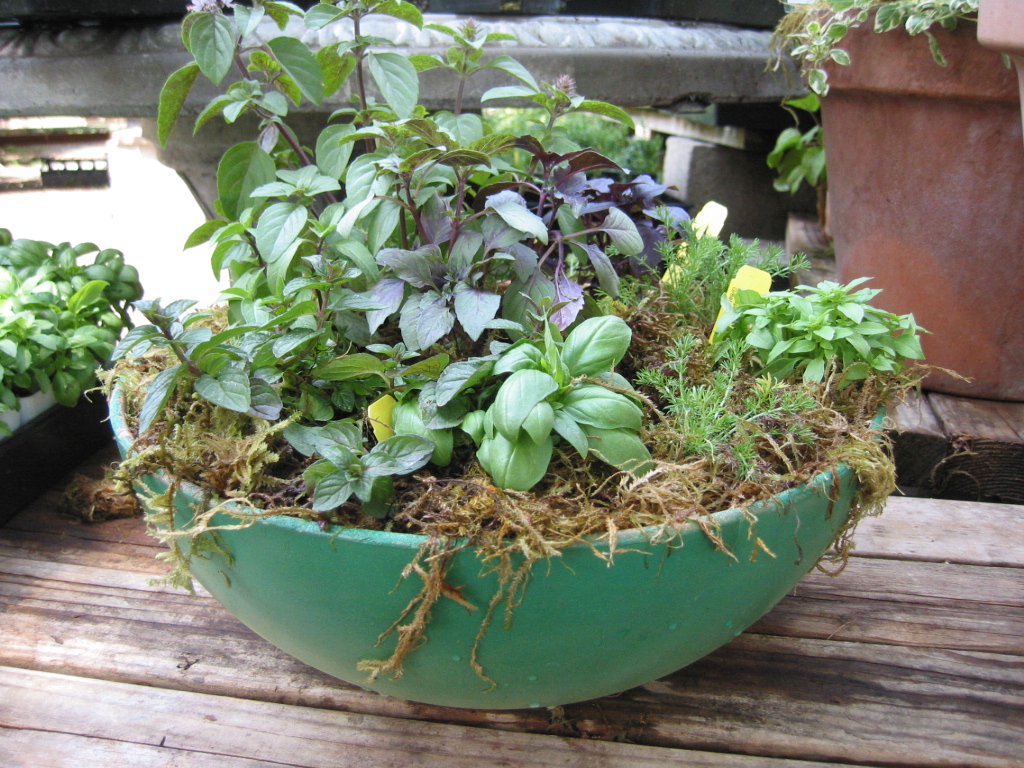
kitchen herbs are very easy to grow in the ground or in containers, an excellent choice for novice gardeners. Mix several types in a container, preferably in at least part-day sun (full is best).
Some are long-lived garden perennials or shrubs, while others are annuals. Basil is in the latter category. If you are limited for space, plant Spicy Globe bush basil, a compact one-foot plant with extra-pungent leaves.
7. Also-rans
My Davis Enterprise columns are supposed to be 1000 words. That is a good thing, as it keeps me focused and makes me assess my criteria more carefully. Here were the ones that ended up on the cutting-room floor.
Pie CherriesBright red, pretty fruit on very productive, ornamental little trees. Rich flavor. All are self-fruitful and ripen later than sweet cherries, perhaps avoiding the main infestation period of the
Spotted wing drosophila. Until we know better how much of a problem that pest will be, these are 'provisionally' easy.
Varieties:
English Morello
Blood-red juice, red flesh, bright red skin, very tart pie cherry. Late June, early July.
Montmorency
Clear juice, white flesh, bright red skin, less acidic pie cherry. Mid to late June.
Hint: long ripening period.
Jujubes (Zizyphus jojoba)Pretty little trees with shiny foliage are very tough, easy to grow. Produce loads of fruit in early fall that look like little elongated brown apples. Sweet as dates when dried.
Quince (Cydonia oblonga)Tolerant of heavy soil, lawn watering, or drought. Trees, often multi-trunked, grow to ten feet or more.
Smyrna Quince is the best-known variety, with several dozen very hard, lemon yellow fruit that have rich perfume and wonderful flavor, used in cooking and preserves. Ripen in fall.
 Fragaria vesca
Alpine strawberry |
 'Nagami' kumquat |
 'Meyer' lemon |
 Navel orange |
 Black (Persian) mulberry fruit |
 'Hachiya' persimmon |
 'Santa Rosa' plum |
 Ugni molinae
Chilean guava
|
 Feijoa sellowiana
Pineapple guava
|
 'Juliet' tomato
|
 'Sungold' tomato
|
 A bowl of mixed basil
© 2011 Don Shor, Redwood Barn Nursery, Inc., 1607 Fifth Street, Davis, Ca 95616
www.redwoodbarn.com
Written for the Davis Enterprise, February 24, 2011
Click on any image for a larger version
Overheard at the UC Davis Arboretum, Feb. 20: "This is why I moved here from Michigan."I was standing in the Eric E. Conn Acacia Grove, trying to get a close-up of the daffodil-yellow clusters of blooms. February is still technically winter, and we've had more than our share of dreary weather this season. But on a sparkling sunny February day recently, folks were outside enjoying the early flowers.
 Acacia dealbata Silver wattle Trees blooming in February? Of course. The almond blossoms began a week ago. Flowering pears a week before that, and flowering plums have already passed their peak of bloom. The earliest flowering cherries such as Okame are in flower. In the family orchard the first peaches have broken dormancy. Back in the arboretum, a little further down the path from the acacias, Western redbuds are showing bud color; expect blooms in a week or so.
 Almond blossom in February I am accustomed to getting inquiries about the early-blooming trees and shrubs. Folks who move here from real-winter climates can't seem to believe that this is normal. From the other end of the spectrum, folks like me who moved here from milder climates don't recognize them. Deciduous flowering trees and shrubs need a certain amount of winter chilling to break dormancy and flower properly. Coastal southern California doesn't get enough cold for that. I do remember an old Acacia baileyana tree in our yard in San Diego; old by acacia standards, that is. Mostly subtropical trees or shrubs, fast-growing acacias tend to have weak wood and poor branch angles, so many fall apart after 20 years or so. I can't really recommend most species for residential landscapes, and nursery availability is very limited. Fast-growing, low-demand trees tend not to be popular with wholesalers; some may be available at arboretum sales. But the arboretum collection is a winter delight, and thanks to a donation from Dr. Conn there are now paths, benches, and signs identifying the species. So what is blooming in February? More-or-less in order of bloom:Flowering pear ( Pyrus kawakami). The first to bloom, these can be seen along F Street. In Southern California they are called Evergreen pears; down there, they get enough chilling to bloom, but don't drop their leaves in fall. Here they are usually deciduous. Drawbacks: odd flower odor; leaf-spot fungus, bacterial fireblight. Almonds ( Prunus amygdalus). Almonds grow in a narrow climate range around the world, with California's Central Valley producing 80% of the world's supply. Commercial types get fifteen to twenty feet tall and broad, and two varieties are necessary for cross-pollination. The dwarf variety Garden Prince is self-fruitful and grows to about ten feet. Almonds are not real fussy about soil. Water deeply every week or so during summer. Disease and pest problems are not significant.
 Prunus blireiana Flowering plum is first to bloom with semi-double soft pink flowers. Foliage emerges bronze-red, then turns dark green by summer. Fruitless. Prunus cerasifera varieties are next, and are popular for the purple-red foliage. Krauter Vesuvius has become the most widely-planted type because it is nearly fruitless. Older varieties had copious fruit. Plums aren't fussy about soil, and can even tolerate lawn watering. Leaf color is more intense in full sun. Leaf-spot fungus and aphids can be a nuisance but are manageable.
 Prunus 'Okame' Most varieties bloom in March, but Okame ( Prunus hybrid) is an early-flowering cherry with February blossoms. Ornamental cherries have diverse growth habits. This one is upright and round-headed. Cherries are fussy about soil, requiring good drainage and at risk of crown rot if watered too often. Don't plant in the lawn! Note: almonds, pears, plums, and cherries should have their trunks painted with an interior white latex paint at the time of planting to prevent sunburn and borers. Magnolia?Walking further to the west in the arboretum, past the Putah Creek Lodge and uphill toward the gazebo, I suddenly found a tulip tree in full bloom. Huh? Magnolia soulangeana blooms in early March, but this variety is ahead of schedule. Varieties range from dark to light pink, with other deciduous magnolias available that are pure white. Magnolias are not drought tolerant, and the foliage can burn during extremely hot weather. The slow-growing trees reach ten to twenty feet or more tall with equal spread, depending on variety.
 Prunus 'Okame' . A non-descript deciduous shrub the rest of the year, quince suddenly bursts into bloom as early as January with blossoms opening for several weeks. Varieties range from three to ten feet in height, usually with an angular spreading habit. Flowers are pink, red, or white; in the case of variety Toyo Nishiki, all three colors occur on the same plant. The shrub has a tight clump of multiple shoots rather than a single trunk. It can be planted and pruned as a hedge. Very tough, carefree, they are tolerant of any soil, sun or light shade, and either regular watering or drought. Some set hard apple-like fruit, which is very aromatic and makes wonderful jam.
 Chaenomeles japonica A few other notable February bloomers:
 Chaenomeles japonica 'Toyo Nishiki' ( Hardenbergia violacea 'Happy Wanderer'): vigorous vine to 15 feet or more with royal purple flowers in February. Full sun is best; partial shade o.k. Freezing weather nips the flower buds some years. Oregon grape ( Berberis aquifolium, formerly Mahonia aquifolium). More yellow flowers in the arboretum. Note: yellow flowers attract beneficial insects. Oregon grape can be a scruffy-looking shrub, and the leaves are prickly. But the shiny foliage and early winter bloom, plus bird-attracting fruit, make it a good background shrub in a wilder landscape. It is tolerant of sun or shade, regular watering or considerable drought. Winter daphne ( Daphne odora 'Marginata') Folks admire the specimens blooming right now in the Ruth Risdon Storer garden at the west end of the arboretum. There are also some pure white-flowered daphne nearby in the Shields garden. The fragrance of daphne is astonishing. Unfortunately, they are easy to kill, requiring perfect drainage and careful water management.
Always read and follow label instructions! For the products we sell, mix together in each gallon of spray: 2 oz LiquiCop (= 4 Tbsp) 2.5 – 3.5 oz spray oil (= 5 – 7 Tbsp, or 1/8 to <1/4 cup) You can use a hose-end sprayer** if you use the lower amount of oil (you will barely add any water to the concentrated mixture). Otherwise, use a tank sprayer. Spray the tree thoroughly, to the point of runoff. It will probably take about two gallons of spray to cover a medium-size tree with conventional training and pruning; one gallon of spray to cover a summer-pruned backyard orchard tree. Spray peaches and nectarines while they are still dormant. You can spray other fruit trees such as apricots. plums, and cherries with the same mixture. Many fruit species such as figs, persimmons, and pomegranates need no spraying. Citrus are sprayed only as needed for specific pest and disease problems. Dormant and bloom sprays don’t control the worms that get into apples and pears, or the new fruit-fly larvae that are attacking cherries. For those we use growing-season sprays. The diseases we are concerned about are: • peach leaf curl, which only affects peaches and nectarines. Sprays are only effective before the buds break. If they show color (green or pink) it is too late. • brown rot, which primarily affects apricot (and almond) blossoms. See note*. Sprays are only effective when the trees are in bud and bloom. Plums and cherries, as well as peaches and nectarines, can also get brown rot, but it is much less common. • This spray mixture also helps control shothole fungus, and the oil helps to reduce over-wintering insects. Notes: MicroCop (copper sulfate) and Polysul (lime sulfur) are no longer available, so we are now recommending the liquid copper spray. It is less effective for leaf curl, unfortunately, but easier to apply. The problem is that the final spray solution, following label rates, is lower concentration than you were applying before. We cannot recommend that you exceed the label rates. ** You cannot apply both products at the same time in a Dial-A-Pro hose-end sprayer. Apply each at the label rate, 24 hours apart. * Copper is not effective for brown rot on apricots, and there is no organic or low-toxicity alternative available to homeowners. Chlorothalonil is available, but is very toxic; read and follow label instructions carefully if you choose to use it. Note non-chemical suggestions for control measures at ipm.ucdavis.edu: Prompt removal and destruction of fruit mummies and diseased plant parts prevents the buildup of brown rot inoculum and helps keep rot below damaging levels. Prune trees to allow good ventilation. Furrow irrigate or use low-angle sprinklers to avoid wetting blossoms, foliage, and fruit. Plant varieties that are least susceptible.Product information: LiquiCopSpray Oildraft Jan 14 2011
Read and follow label instructions.
This is an important phrase! It affects the safety and effectiveness of the products you use. Failure to read and follow label instructions can injure or kill you or others, lead to plant burn, harm beneficial insects and wildlife. What exactly does it mean? How do we intepret the labels on pesticides? Signal Word.
Any pesticide, organic or otherwise, is labeled with one of the following words: Caution Warning Danger Those are in increasing levels of toxicity: Caution products are the lowest toxicity, Danger are the highest. The toxicity is based on direct harm the pesticide may cause by swallowing it, inhaling it, getting it on your skin, or getting it in your eyes. Tests are done to determine how lethal it is and how likely to cause skin or eye irritation. Different products with the same active ingredient may have different Signal Words due to differing dilution rates of the concentrated or mixed solutions. Precautionary Statements
These give you a guide as to what makes a particular pesticide dangerous to you or others. It may be swallowing or inhaling the pesticide, absorbing it through the skin or eyes, or direct irritation from contact with the concentrate or mixed spray. Personal Protective Equipment (PPE):
The label will tell you which protective clothing or gear to wear, how long you, children and pets need to stay out of the treated area. Most people fail to heed this, but it is key to protecting yourself and others from harm. Environmental Hazards
The label will state whether it is toxic to wildlife. Unfortunately, the impact on bees is not always mentioned. The likelihood of drift, runoff, leaching, and groundwater contamination may be mentioned. These are technical terms that you should understand before you apply the product. Active ingredient
You may not recognize the name, because a chemical may be better known by its trade name. Example: Daconil is the trade name of chlorothalonil. Manufacturers do not have to disclose the inert ingredients, but do have to list their percentage. California’s Prop 61 requirement:
If an ingredient in the product, active or otherwise, is “known to the state of California to cause cancer” that must be on the label. It's up to you as to whether that matters to you. Storage and Disposal
There are general instructions for how to dispose of partially used or empty pesticide containers. Where do you keep your pesticides? What if you lost the label?
Nearly every company now puts pdf copies of their product labels online. Hey, you can increase the font size and actually read it! Do organic pest control products have the same labeling?
Yes. Anything that is sold as a pesticide in California has to be labeled. Organic pesticides aren’t necessarily safer than conventional ones. Here is an example of a commonly used home garden fungicide:
Monterey brand FRUIT TREE, VEGETABLE & ORNAMENTAL FUNGICIDE “ Active ingredient: chlorothalonil 29.6%” You may know this as Daconil, a trade name. “ Known to the State of California to cause cancer.” Signal Word: “Warning.” Red flag. This is one of the more toxic products homeowners can buy. I always urge purchase and use of a Caution labeled product if possible. Precautionary Statements: “May be fatal if inhaled. Harmful if swallowed or absorbed through skin. Causes moderate eye irritation. Avoid contact with eyes, skin or clothing. Do not breathe spray mist. Prolonged or frequently repeated skin contact may cause allergic reaction in some individuals.” Now we know where the Warning label comes from. Given these specific warnings and that higher-toxicity Signal Word, it is important to use the exact protective equipment listed. PPE: The following are required: long-sleeved shirt, long pants, shoes and socks, protective eyewear, specific types of waterproof gloves, an approved respirator with an organic vapor cartridge or canister with a specific type of filter. You should not even open the bottle until you are wearing all of these listed items. “Keep children and pets off treated area until dry.” The sprayed material on the leaves can poison them. Environmental Hazards: Chlorothalonil can kill aquatic invertebrates and wildlife, can drift to nearby water, can runoff into surface water for “several days or weeks after application.” It can leach into groundwater, even when used according to the label. Directions for Use: These give specific rates of application for certain pests on certain types of plants, by name. The rates are not the same for every crop. Do not exceed them, as they are based on tested effectiveness and are the basis for how toxic the product is considered to be. In some cases they will tell you a maximum amount you can use per year. The Preharvest Interval (PHI) tells you how many days before harvest you can apply it. These vary by crop (14 days for onions, 7 days for cabbage, day of harvest for carrots), so you need to check the label carefully. “Avoid spraying plants during extremely hot and sunny weather.” This is because chlorothalonil, like many pesticides, can burn the foliage during hot weather. “Do not apply … within one week … of oil or an oil-based pesticide.” Same issue: you may burn the leaves when used in combination with oil. Storage and Disposal: These don’t vary much from one product to another, but it is wise to read them. In particular, disposal of the empty container has specific requirements. When you use the last of the bottle, rinse it three times and pour the rinse water into the spray tank. Then puncture the bottle (to prevent re-use) and dispose of it according to local regulations. If you don’t know what those are, contact your local agricultural commissioner. For some discussion of a new product for vegetables and fruit trees, here is a previous blog article: http://redwoodbarn.blogspot.com/2010/05/bayer-advanced-fruit-citrus-vegetable.html
I am sorry to report that Sacramento-area nurseryman and garden media personality Dan Pratt died December 25 at the age of 78. Pratt succumbed to injuries from a fall, after a series of illnesses over the last several months. Employed by Capital Nursery for 24 years, he was heard locally on KFBK (originally KGNR) radio with his Garden Doctor program, which ran for 19 years: first from 9 to 11 a.m. on Saturdays, and then from 8 to 10 on Sunday mornings. For more than 20 years he wrote a weekly column about garden pests for the Sacramento Bee (What’s Bugging You?) and made frequent appearances on local television. His annual garden calendar was sold at garden centers throughout Northern California. Pratt gave many talks over the years to garden clubs around the Sacramento Valley. He was active in the local chapter of the California Association of Nurseries and Garden Centers, serving as president twice and on the board of directors for several years. Dan led garden tours of Britain and other regions. After his retirement he moved back to his family’s property in Napa. He leaves a son and daughter and longtime girlfriend. A private burial service has been held. That all sounds very dry. I considered Dan a friend for over 25 years, having met him when I first got involved in our local chapter of the nursery association. He was always full of ideas, present at nearly every nursery event we worked on, and enthusiastically promoted gardening and the nursery industry. Dan introduced me to radio work and graciously allowed me to host his show when he traveled. After retirement, he and Jo stopped by my shop any time they were passing by Davis, to swap stories and tell jokes. He liked good food, cruises, and terrible puns. Dan Pratt was a great friend of gardens, gardeners, and garden centers everywhere. Addendum: from the Sacramento Bee Jan 7 2011
|







 Top of Page